
Struggling to control your fulfillment costs?
Or maybe you’re shocked by how fast storage and shipping fees add up?
I’ve been there.
Fulfillment pricing looks simple… until hidden fees start quietly killing your margins.
So in this post, I’ll break down how fulfillment pricing really works, in plain English, based on real experience from working with ecommerce sellers.
The keyword appears here: fulfillment pricing.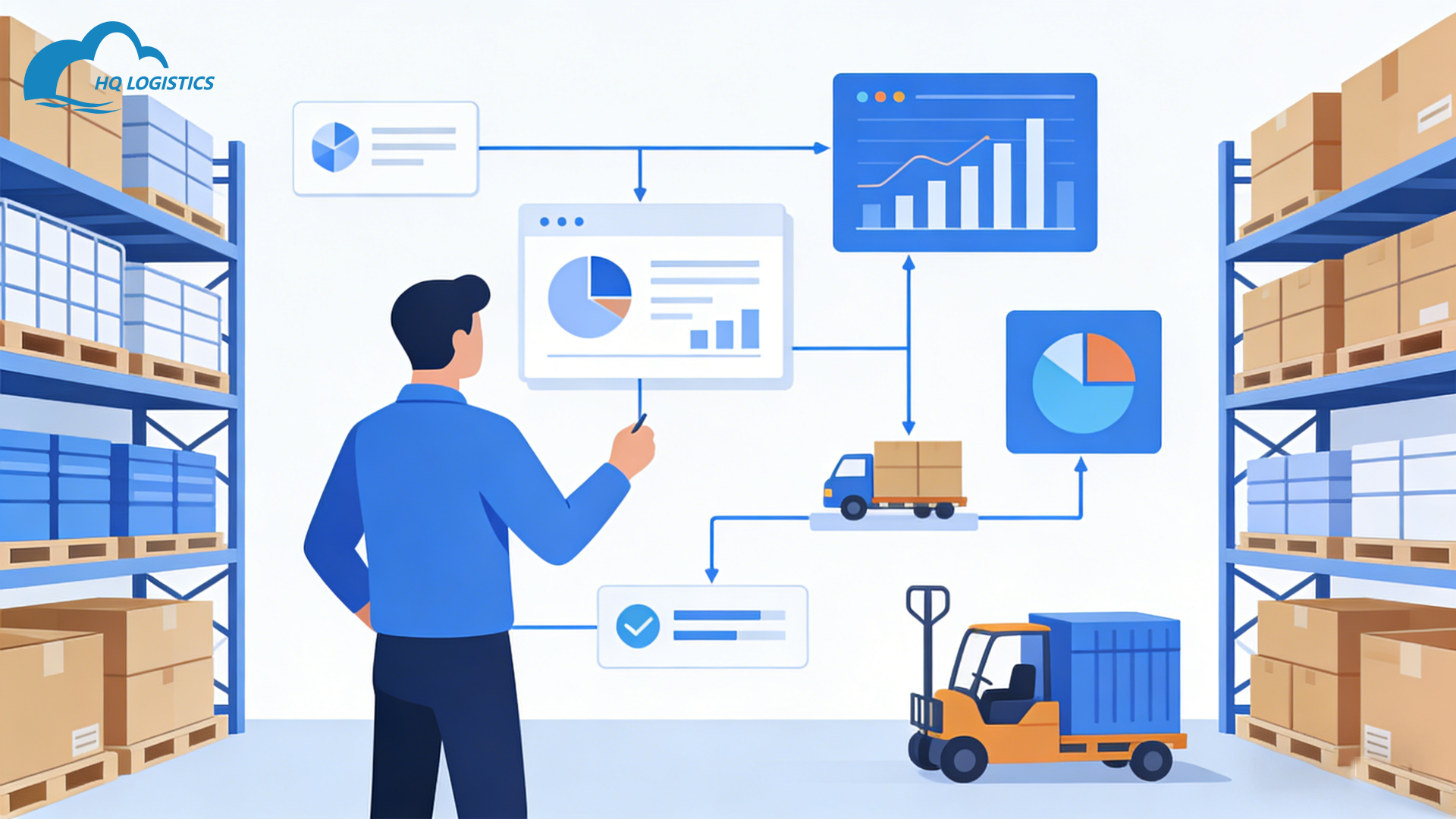
Most sellers think fulfillment pricing only means shipping.
But it actually covers three major cost categories:
Inbound fees/Storage fees/Outbound fees
Each comes with potential surprises, so let’s go through them one by one.
When your inventory arrives at a warehouse, you’re charged for receiving.
Common receiving tasks include:
Unloading pallets/Counting cartons/Verifying SKUs
/Checking labels/Fixing incorrect labels
A quick story:
A seller I know shipped 2,000 units to a warehouse with the wrong barcode format.
The relabeling fees ended up costing more than their ocean freight.
I always tell sellers:
Prep properly before shipping.
It saves more than you think.
Other common inbound prep fees:
Polybags/Bubble wrapping/Kitting bundles
/Adding barcodes/Removing old labels
Individually, they look small.
Together, they can become a monthly headache.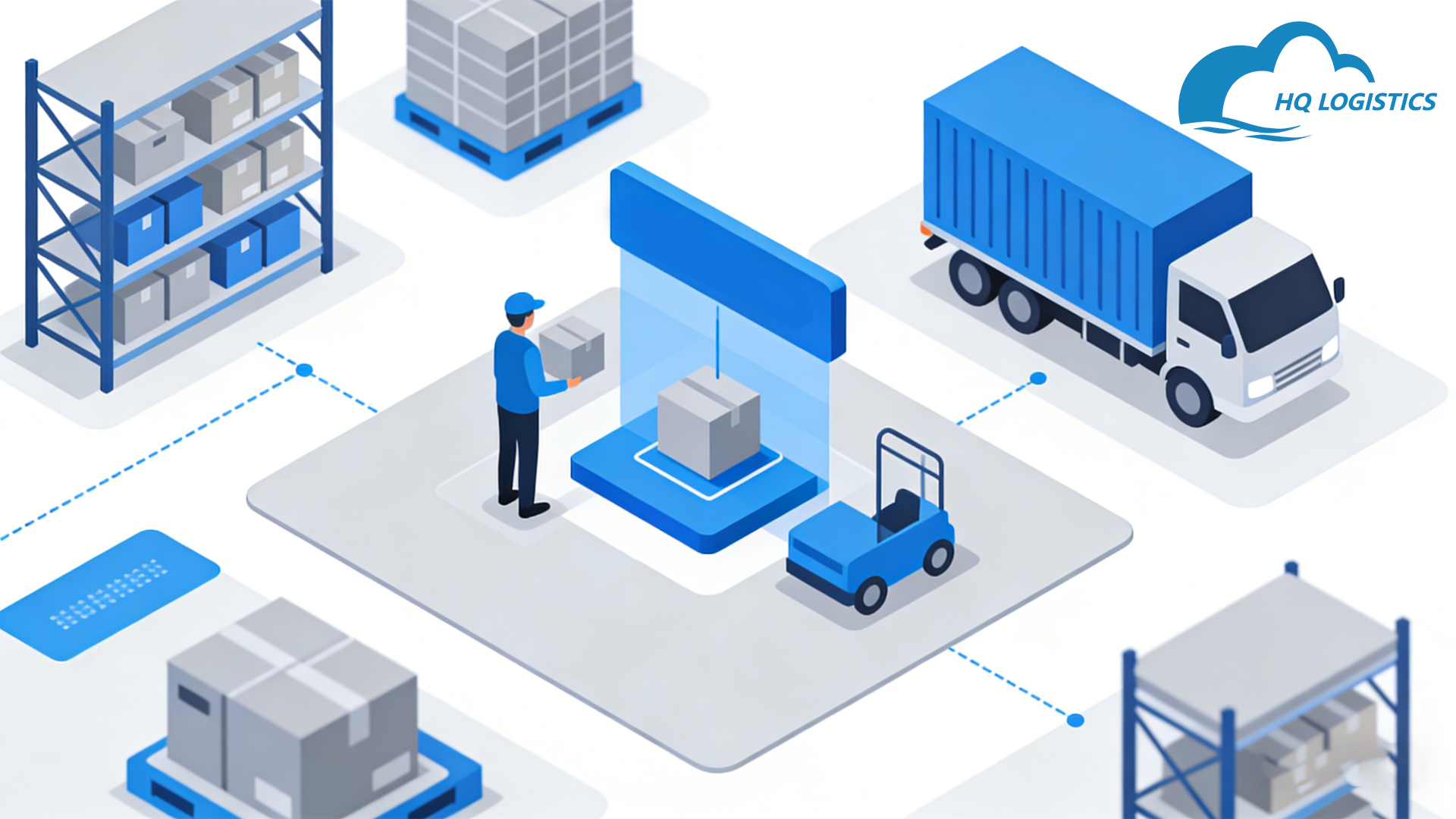
Storage seems cheap… until you have inventory that sits too long.
Warehouses usually charge:
Per cubic foot/Or per pallet per month
Some add surcharges for:
Oversized cartons/Slow-moving or aged inventory/Q4 peak months
If you sell large items like pillows, pet beds, or household organizers, always ask your warehouse:
“How do you define oversized storage?”
Every warehouse uses different size limits, and it affects your bill more than you’d expect.
Outbound costs include picking, packing, and shipping.
Pick-and-pack fees usually cover:
First item pick/Additional items/Standard packaging (box or mailer)
Watch out for extra charges such as:
Custom packaging/Branded inserts/Heavy-duty bubble wrap
Shipping fees depend on:
Weight/Dimensions/Carrier zone/Speed of service
/Domestic vs international
If your products weigh more than 1 lb, switching carriers or using a 3PL with strong negotiated rates can save a lot.
Dimensional weight is the silent profit-killer many sellers overlook.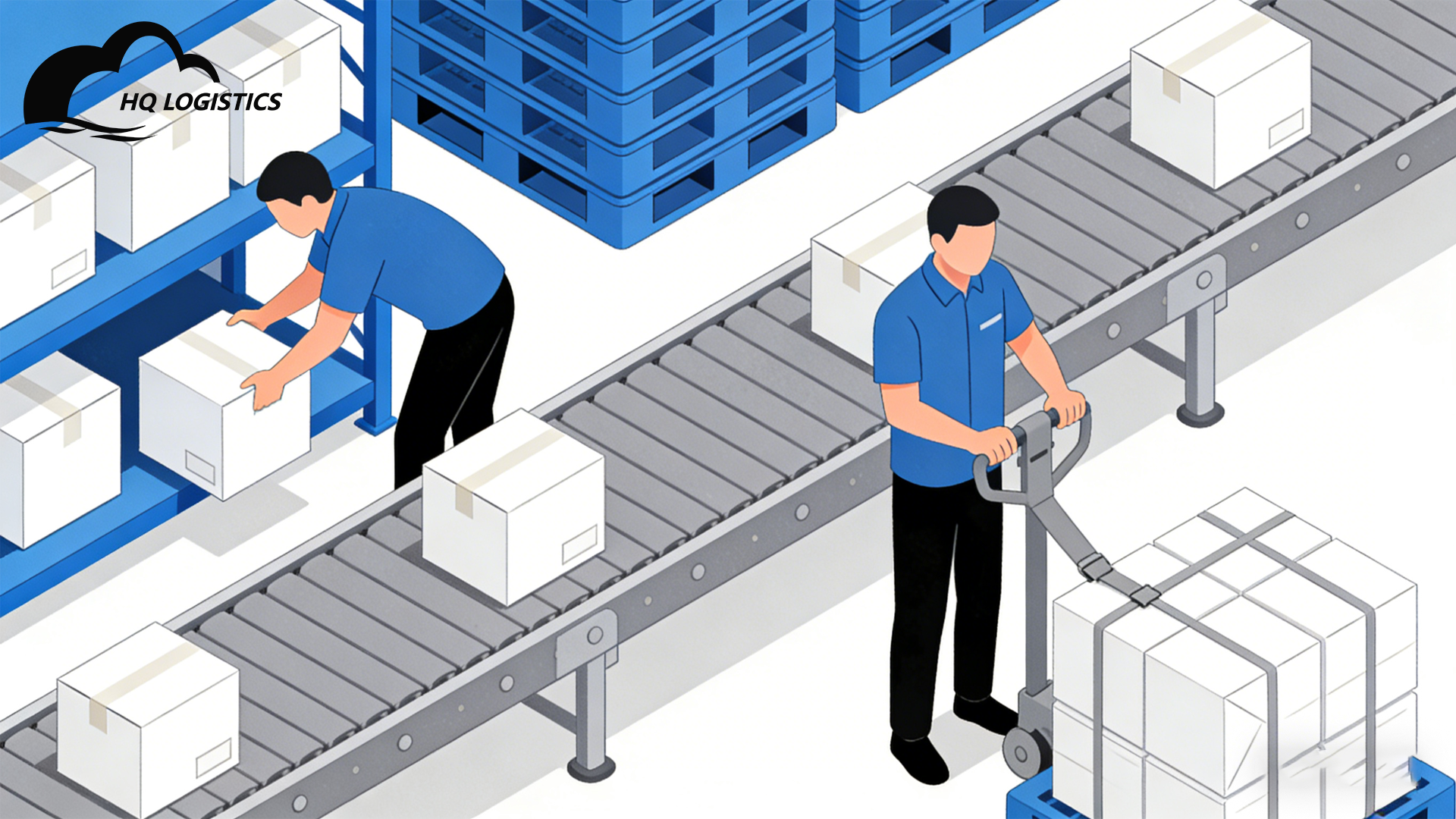
This is where fulfillment pricing gets dangerous.
Common hidden charges include:
Long-term storage fees/120-day aged inventory fees
Holiday surcharges/Weekend processing fees
Return processing fees/Account management fees
/Hazardous-item handling fees
Many warehouses also charge:
Software fees/SKU fees/Minimum monthly fees
Always ask for a full fee sheet, not just a “starting price.”
Here are strategies I share with clients:
Use lighter packaging to avoid dimensional weight surcharges
Ship inventory to multiple warehouses to reduce shipping zones
Forecast demand to avoid long-term storage
Negotiate fees when your volume increases
Bundle products to reduce per-item pick fees
One key tactic:
If your product fits both a box and a mailer, test both.
Small packaging changes can save thousands per year.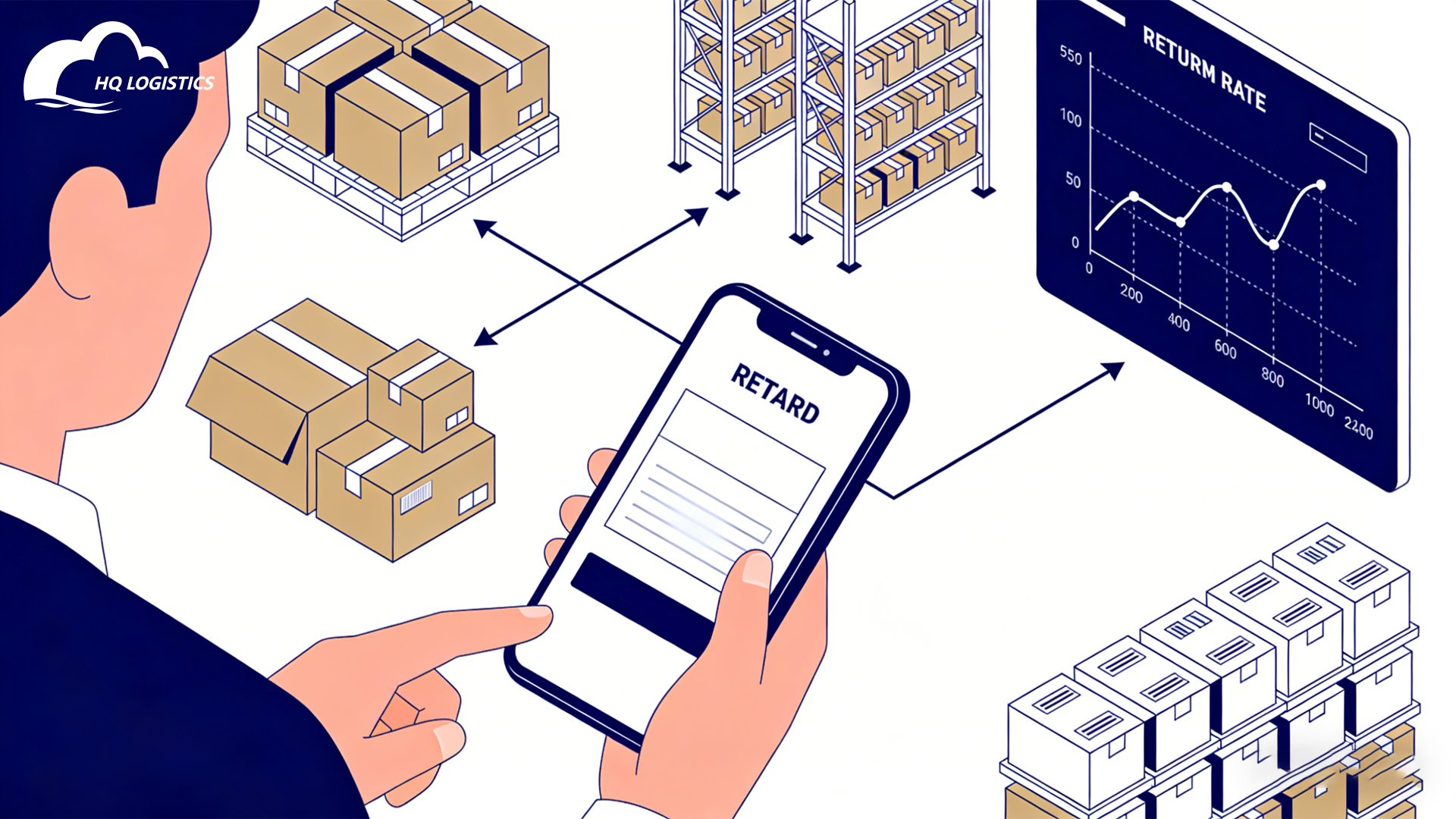
A small beauty brand I worked with had:
High storage fees/Slow-moving SKUs
Only one warehouse/Heavy protective packaging
We made a few changes:
Added a second warehouse to reduce carrier zones/Switched to a lighter mailer/Bundled best-selling items/Cleared out aged stock with a targeted promotion
Result: 27% lower fulfillment cost within 60 days.
Simple changes, big impact.
1. What’s the typical fulfillment cost per order?
Most brands pay between $4–$12, depending on weight, size, and location.
2. Why do storage fees vary so much?
Some 3PLs charge per pallet, some per cubic foot, and some increase pricing during peak season.
3. Are 3PLs cheaper than Amazon FBA?
For small and lightweight items, FBA is efficient.
For larger or slow-moving products, 3PLs often cost less.
4. How do I estimate fulfillment cost before launching a product?
Check weight, dimensions, packaging type, shipping zones, and storage rate.
Then plug into a warehouse cost calculator.
5. How often should I review my fulfillment pricing?
Every quarter — and always before Q4.
Final Line
Understanding fulfillment pricing protects your margins and helps you stay competitive as your brand grows.
📩Email: zoye@fulfllment-cn.com
PREVIOUS RECOMMENDATIONS




Customer's favorable comments is our eternal motivation. We feel grateful for all the support and company.

Lorem ipsum dolor sit amet, consetetur sadipscing elitr, sed diam nonumy eirmod tempor invidunt ut labore et dolore magna aliquyam erat, sed diam voluptua.