
Ecommerce delivery expectations are changing quickly.
For years, international shoppers were willing to wait one or two weeks for cross-border orders. Today, customers increasingly expect their orders to arrive within just a few days.
This shift is especially important for Shopify and direct-to-consumer brands.
A customer may discover a product on TikTok, Instagram, Google, or an independent Shopify store and compare it with products available from Amazon, local retailers, and other ecommerce platforms.
The question is no longer simply:
“Can you ship internationally?”
Customers are increasingly asking:
“When will my order arrive?”
Fast delivery has therefore become an important part of ecommerce competitiveness.
While 2–3 day delivery is becoming an increasingly important benchmark in major ecommerce markets, not every international order can realistically be delivered within 2–3 days. Cross-border delivery still depends on inventory location, customs, product type, destination, carrier capacity, and fulfillment processes.
For Shopify sellers, the real goal should be to build a fast, predictable, and scalable fulfillment system rather than simply advertising the fastest possible delivery promise.
For European ecommerce brands, a well-selected express shipping channel can make a significant difference.
The growth of Amazon, local ecommerce marketplaces, and increasingly sophisticated logistics networks has changed customer expectations.
Customers are now accustomed to seeing:
Estimated delivery dates | Real-time tracking | Fast dispatch | Multiple delivery options | Local pickup options | Simple returns
This creates a difficult situation for cross-border Shopify sellers.
A store may offer a unique product at a competitive price, but if delivery takes 15–20 days while competitors deliver within a few days, customers may simply choose another seller.
Fast fulfillment can influence:
Conversion rates | Cart abandonment | Customer satisfaction | Product reviews | Repeat purchases | Customer support workload | Brand reputation
This is why logistics should be considered part of the ecommerce sales strategy—not just an operational function.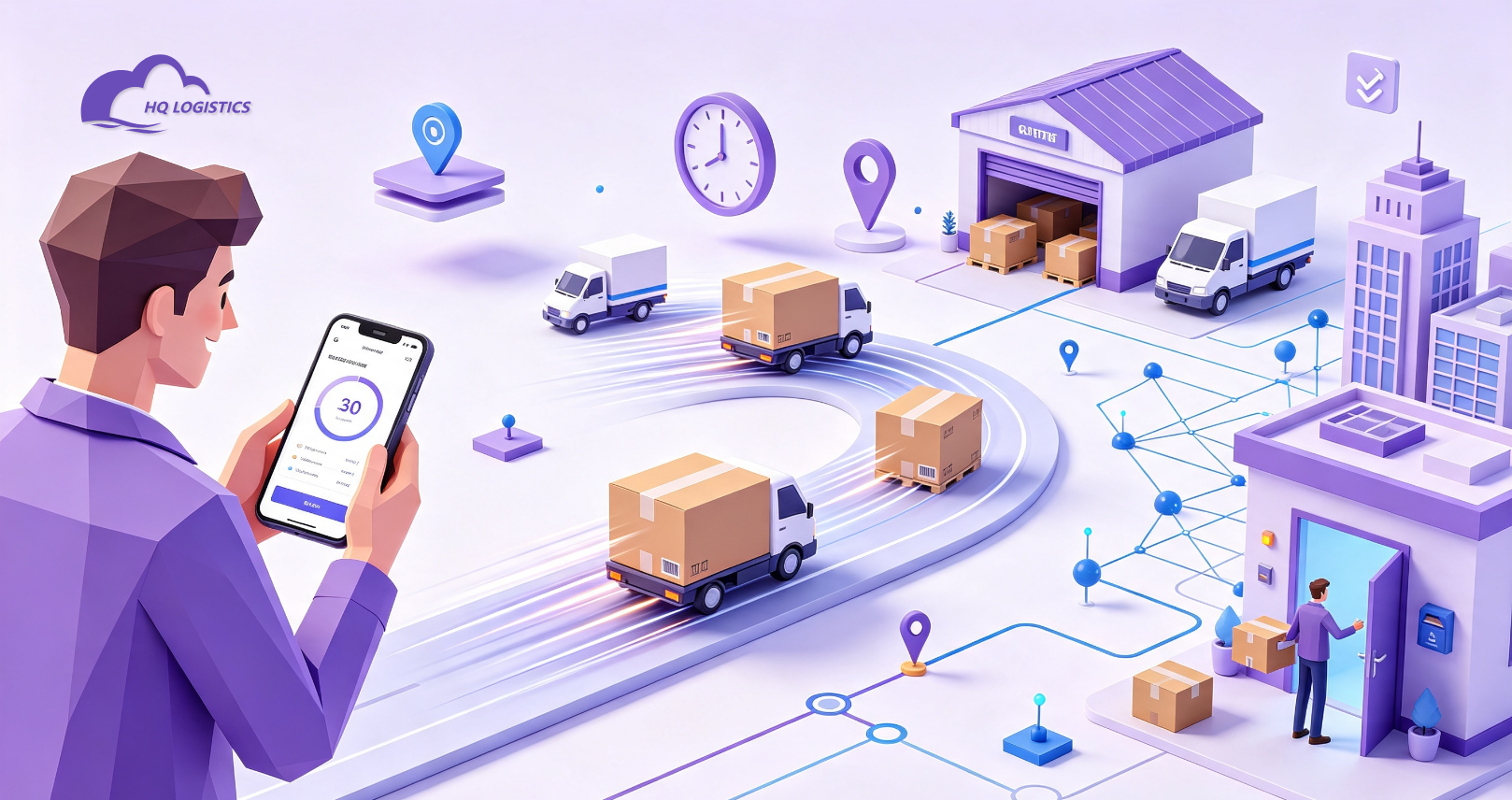
The answer depends on the market and fulfillment model.
For local inventory and mature domestic fulfillment networks, 2–3 day delivery can be realistic.
For cross-border ecommerce, however, sellers need to consider the entire logistics chain:
Supplier → Warehouse → Export → Customs → Linehaul → Local Carrier → Final Delivery
Even if a parcel moves quickly through most of these stages, customs inspections or inaccurate shipping information can create unexpected delays.
Therefore, Shopify sellers should focus on three key metrics:
How quickly can the warehouse process an order?
How long does the parcel take to move between countries?
How consistently does the carrier deliver within the promised timeframe?
A stable 3–8 day service can often be more valuable than a nominally faster service with unpredictable delays.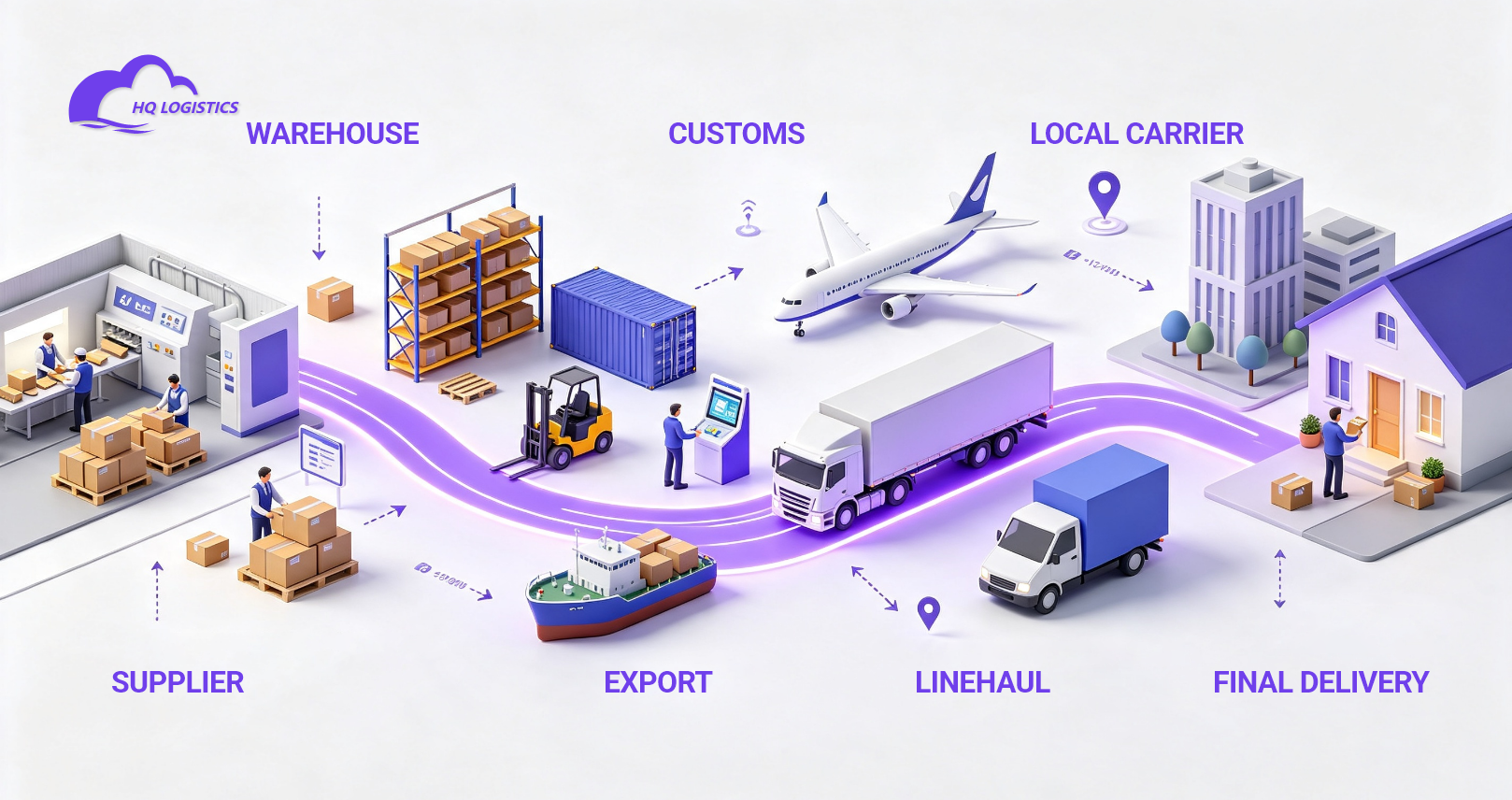
Europe has a highly developed ecommerce market.
Customers in Germany, France, Italy, Spain, the Netherlands, Belgium, Austria, Poland, Sweden, Denmark, and other European markets have access to increasingly fast domestic and cross-border delivery options.
This means international Shopify sellers are competing against brands that may already have:
European warehouses | Local fulfillment centers | Regional 3PLs | Established last-mile networks | Local carrier partnerships
For a China-based ecommerce seller shipping directly to Europe, the logistics strategy therefore becomes critical.
The seller needs to balance:
Speed + Cost + Customs + Product Restrictions + Tracking + Delivery Coverage
Choosing the cheapest shipping option is not always the best solution.
A professional European shipping solution should not be evaluated solely by the headline delivery time.
Shopify sellers should also look at:
Chargeable weight rules | Parcel size limits | Accepted product categories | Customs requirements | VAT and tax handling | Tracking availability | Delivery coverage | Return and reshipment policies | Compensation rules | Customer service support
These details can have a major impact on the actual cost and reliability of ecommerce fulfillment.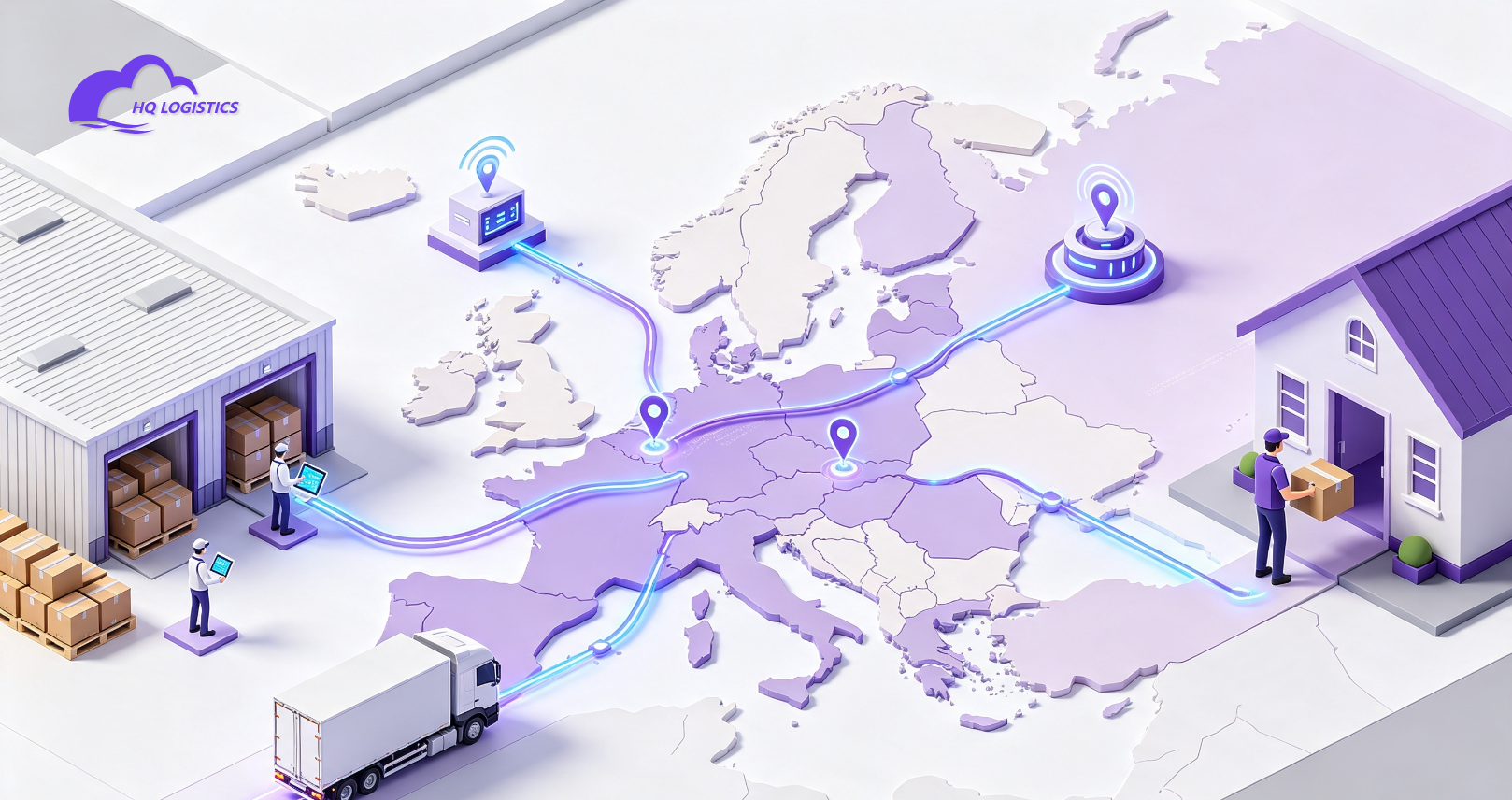
For Shopify sellers shipping general products to Europe, an express European shipping service can provide a practical balance between speed and cost.
HQ LOGISTICS currently offers a European Express General Cargo Line with delivery times of approximately:
3–8 days
The service is designed for general products and supports shipments from 0–20 kg.
This can be particularly useful for Shopify brands that need faster cross-border delivery without immediately moving all inventory into a European warehouse.
Instead of relying solely on traditional economy shipping, sellers can use an express channel for:
Best-selling products | High-value orders | Time-sensitive products | Seasonal products | Q4 promotional orders | Products with strong repeat demand
The European express general cargo service is designed for standard, non-sensitive products.
Examples include:
Clothing | Hats | Scarves | Socks | Bedding | Home decorations | Household products | Toys without batteries | Other ordinary general merchandise
This makes the service suitable for many Shopify stores selling fashion, home, lifestyle, and general consumer products.
However, sellers should always confirm product eligibility before shipping.
One of the biggest mistakes Shopify sellers make is assuming that every product can use the same shipping route.
Different product categories can have completely different transportation requirements.
For example:
Clothing, textiles, ordinary home products, and non-battery toys may qualify for general cargo channels.
Products containing batteries or other electronic components may require specialized transportation solutions.
Liquids, creams, powders, and other beauty products may require dedicated sensitive-goods shipping channels.
Health supplements can involve additional customs and import requirements.
Products involving trademarks, copyrighted designs, logos, or unauthorized character artwork may not be accepted.
This is why product classification should happen before a seller launches a shipping campaign.
Fast delivery begins with accurate information.
If a Shopify seller provides vague or inaccurate product descriptions, customs clearance can become more complicated.
For example, a declaration such as:
“Cloth”
is too broad.
A more specific description would be:
“Women's polyester shirt”
The product description should accurately communicate relevant information such as:
Product name | Intended use | Material | Product characteristics
However, product model numbers should not be unnecessarily included in the declared product name.
Accurate declarations help reduce unnecessary customs questions and clearance delays.
European cross-border shipping requires sellers to pay close attention to declared value and product information.
For the European shipping channels covered by the provided rules, parcels with a declared value of €150 or above are not accepted.
For accepted shipments, applicable VAT and handling charges may depend on the destination country's requirements and the declared value.
Most importantly, sellers should avoid under-declaration.
If customs determines that the declared value is inaccurate, additional VAT, duties, penalties, or other costs may arise.
This means:
Fast shipping does not replace customs compliance.
A fast shipping channel combined with inaccurate declarations can still result in delays.
One of the most important factors affecting ecommerce shipping costs is chargeable weight.
Shipping providers typically compare:
Actual Weight vs. Volumetric Weight
The heavier figure becomes the chargeable weight.
The volumetric weight calculation is:
L × W × H ÷ 8000
For example, imagine a package measuring:
60 cm × 40 cm × 30 cm
Its volumetric weight would be:
60 × 40 × 30 ÷ 8000 = 9 kg
Even if the package physically weighs only 6 kg, the shipping cost may be calculated using the higher chargeable weight.
This is why packaging optimization can directly affect Shopify sellers' logistics costs.
A product may be lightweight but expensive to ship if it takes up too much space.
This is particularly important for:
Clothing | Home products | Decorative products | Large packaging | Gift sets | Seasonal products
Shopify sellers should consider:
Reducing unnecessary packaging | Using appropriately sized cartons | Removing excess void space | Consolidating packaging materials | Optimizing product dimensions
A professional fulfillment partner can help evaluate packaging before large-scale shipping.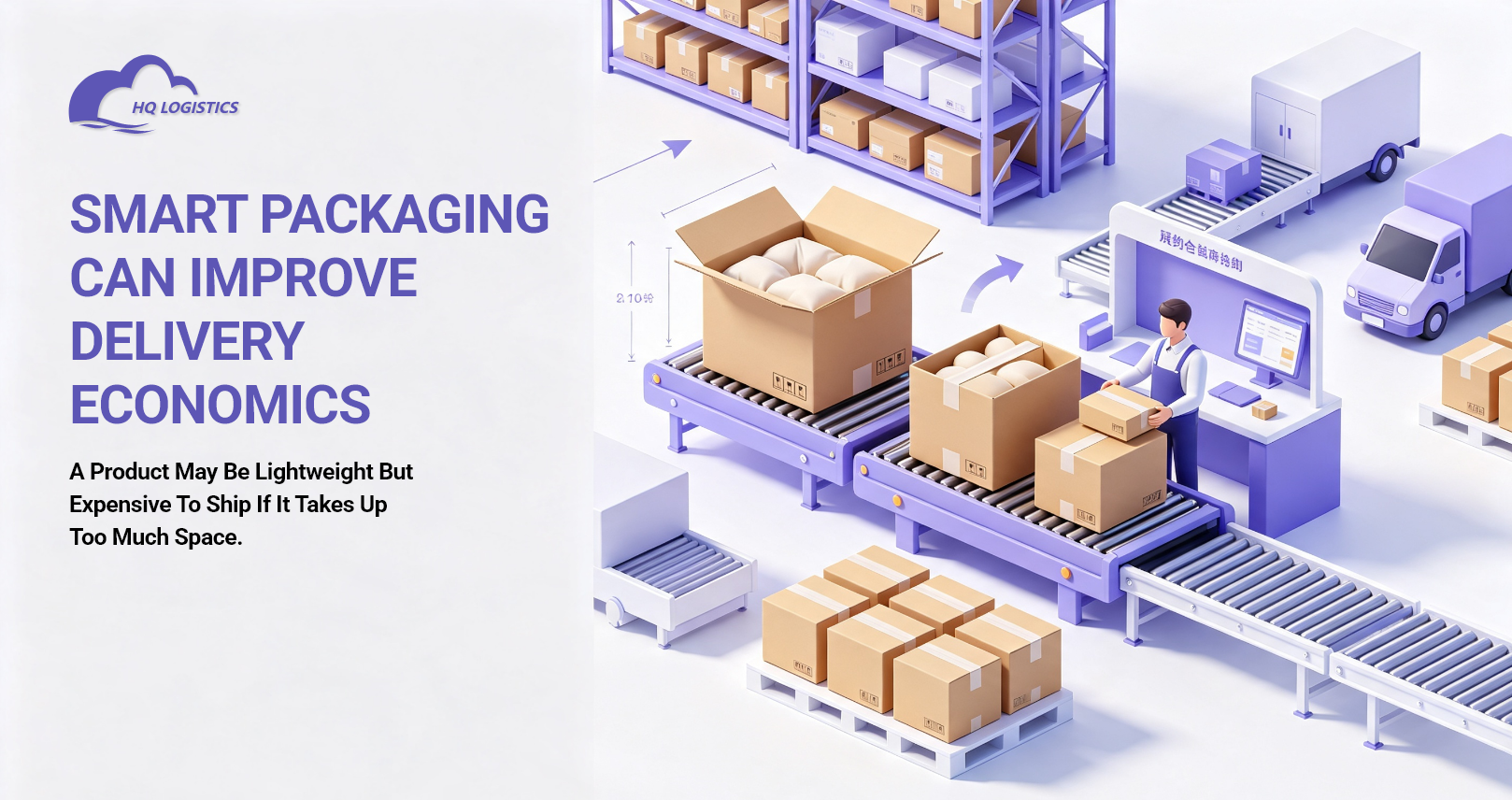
For the European express general cargo channel, the standard parcel size requirement is:
≤ 60 × 40 × 35 cm
This means product dimensions should be considered when selecting a shipping route.
Oversized products may require:
A different shipping channel | Additional fees | Special handling | Alternative fulfillment arrangements
This is particularly important for Shopify brands selling home products, furniture accessories, large toys, or bulky lifestyle products.
Fast delivery is not only about the physical movement of a parcel.
Customers also want to know where their order is.
A parcel can arrive within the expected timeframe, but if tracking information is unavailable for several days, customers may still contact support.
Reliable tracking helps reduce:
“Where is my order?” tickets | Customer anxiety | Refund requests | Negative reviews
For European shipments, tracking availability should therefore be evaluated when selecting a fulfillment channel.
International ecommerce delivery is not necessarily handled by one carrier from beginning to end.
A parcel may move through:
China warehouse → International line → European carrier → Local delivery
For example, the provided channel rules use different last-mile providers depending on the destination.
Tracking information may therefore vary by country and service.
For sellers, the important point is to ensure that tracking numbers are correctly synchronized with their Shopify store and customer notifications.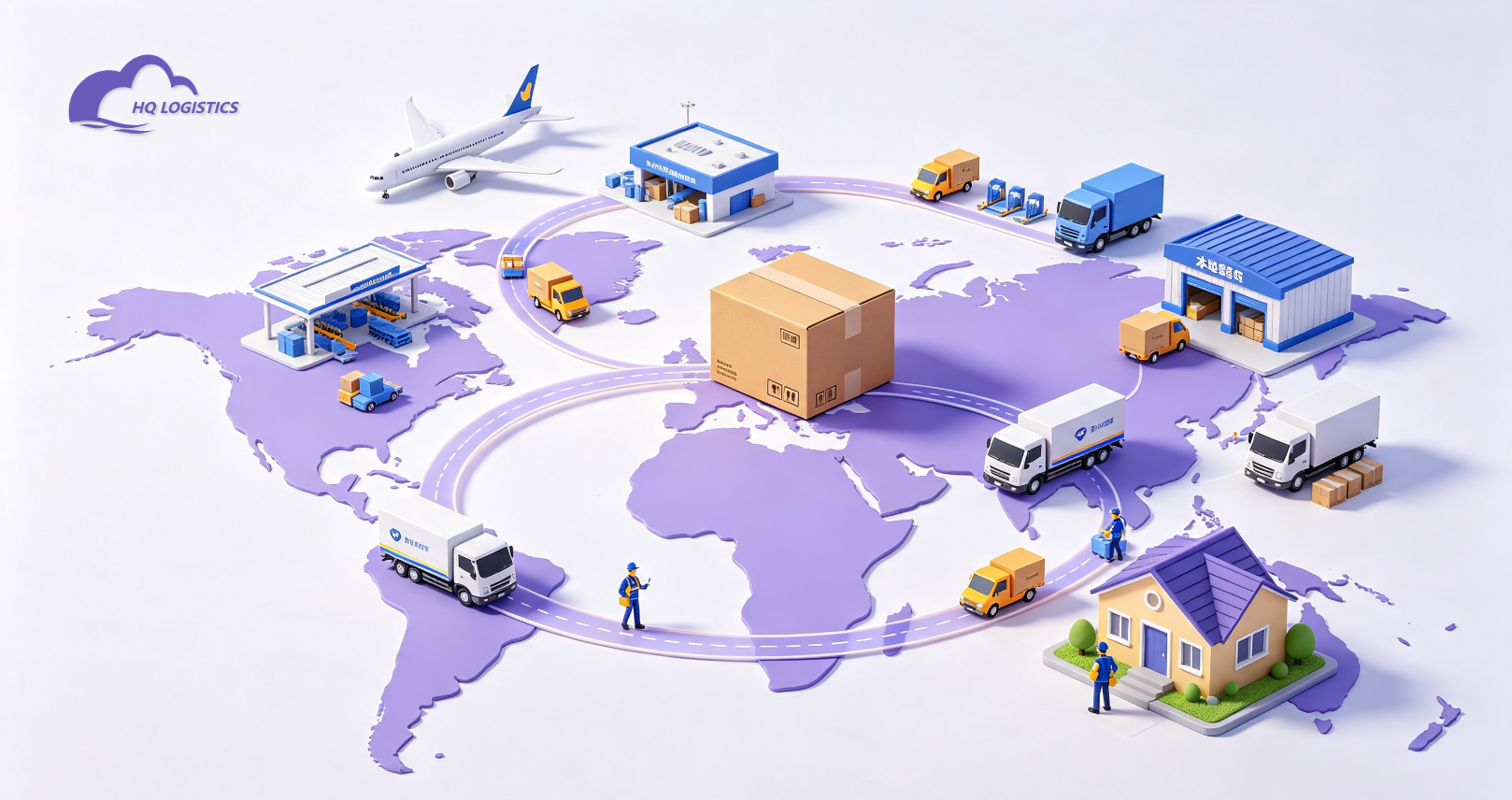
Germany is a good example of how local delivery conditions can affect fulfillment performance.
Some German addresses may only identify a residential complex without sufficient building or unit information.
In addition, customers may not always be available during the day to receive parcels.
This can increase the risk of failed first delivery attempts.
In these situations, parcel lockers or partner pickup points can provide an alternative.
For Shopify sellers, collecting accurate customer information at checkout is therefore extremely important.
Israel demonstrates another important principle:
Different markets require different logistics strategies.
Wireless communication products and automotive accessories may receive higher customs inspection rates in Israel.
Some products may require local permits or additional documentation.
This can include products such as:
Wireless routers | Cellular devices | GPS devices | Tablets | Computers | Cameras | Wireless network cards | Certain automotive electronics
For Shopify sellers, this means that a shipping channel should never be evaluated only by its advertised delivery time.
Local customs rules and product restrictions matter just as much.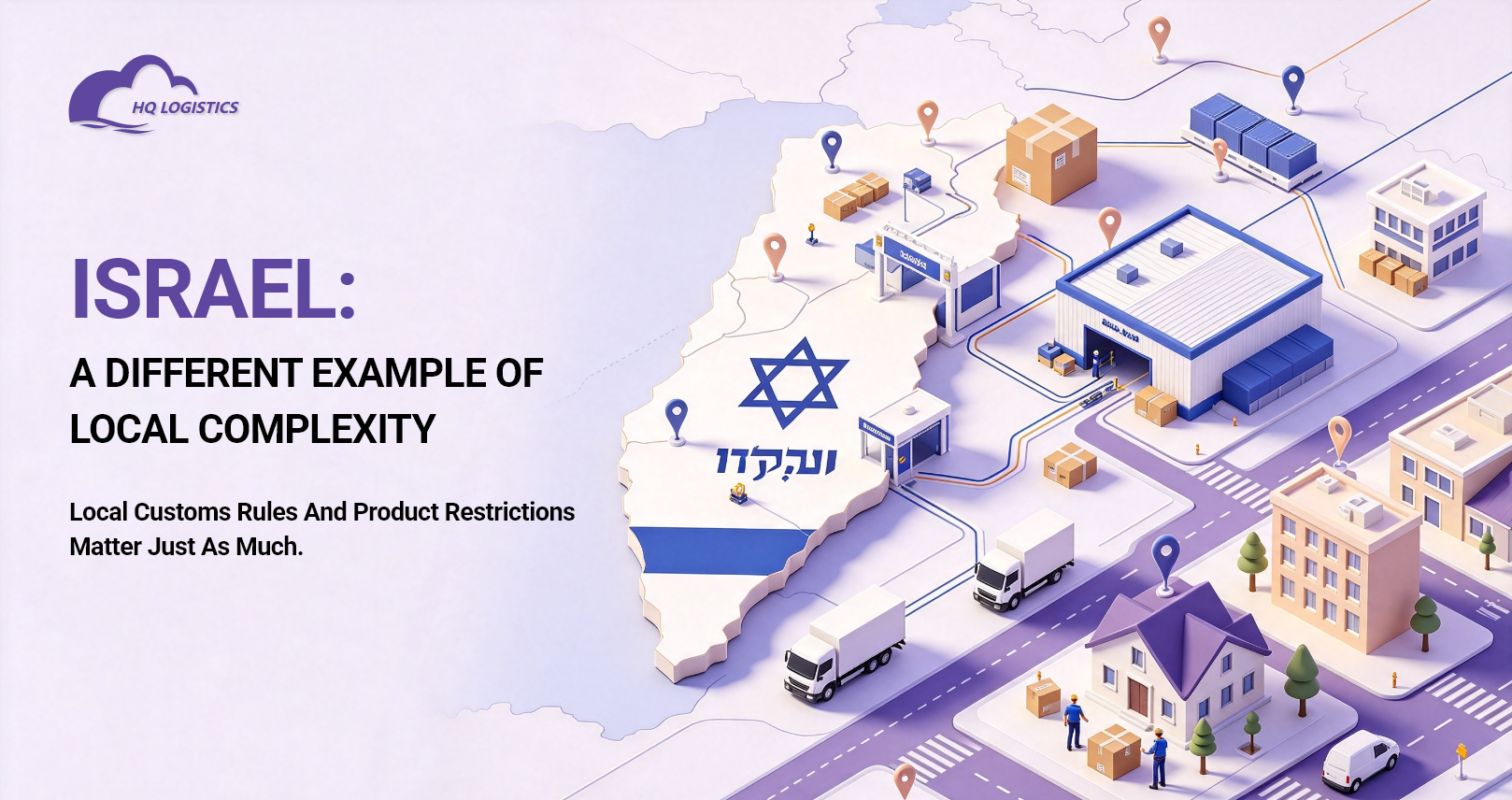
Returns are another part of the fulfillment equation.
For several European destinations, returned parcels can be eligible for reshipment after reaching an overseas warehouse.
Under the provided service rules:
Customers generally have 14 days to request reshipment | Standard reshipment fees may apply | Parcels not reshipped within the specified period may be destroyed
However, return-to-China service is not provided.
This is important for Shopify sellers because international returns can otherwise become expensive and complicated.
Imagine a customer enters an incomplete address.
The parcel is delivered to the local carrier but cannot be successfully delivered.
Without a reshipment solution, the seller may need to:
Refund the customer | Send a new product | Absorb the original shipping cost | Manage customer complaints
A structured overseas return and reshipment process can significantly reduce operational complexity.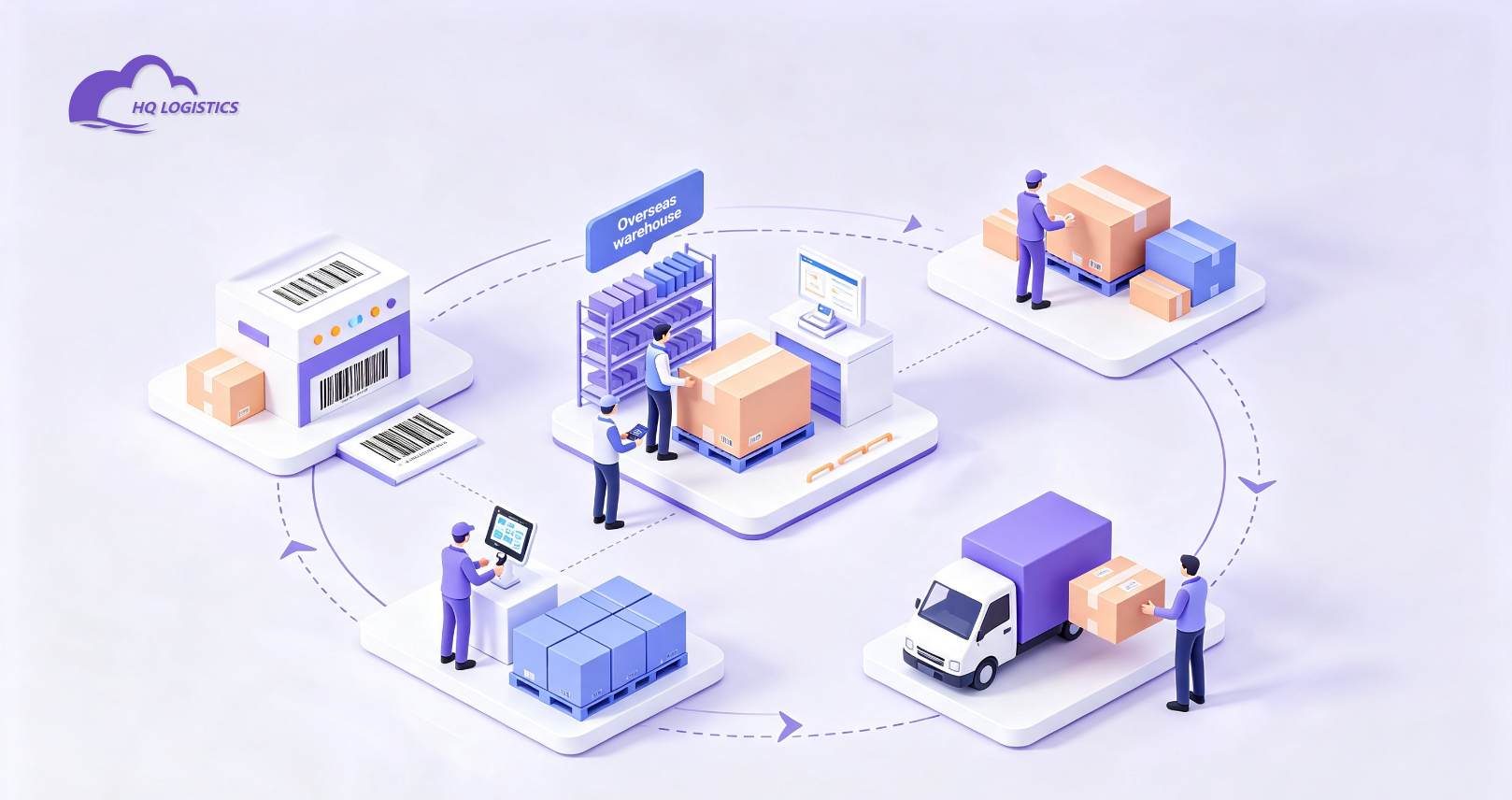
There is an important difference between:
Fast delivery
and
Stable fast delivery
A carrier may occasionally deliver a parcel in two days.
But if the same service takes:
2 days for one order | 4 days for another | 9 days for another | 15 days for another
the seller still has a fulfillment problem.
For Shopify brands, consistency is often more important than the fastest individual delivery.
This is why a reliable 3–8 day European express service can be attractive for general products.
A growing ecommerce business should avoid depending on a single logistics route.
Different products and markets require different solutions.
For example:
| Product | Recommended Approach |
Clothing | General cargo |
Hats & scarves | General cargo |
Home decorations | General cargo |
Toys without batteries | General cargo |
Beauty liquids | Specialized channel |
Supplements | Specialized channel |
Battery products | Dedicated electronic goods channel |
Magnetic products | Specialized channel |
Oversized products | Alternative shipping solution |
A multi-channel strategy gives sellers greater flexibility when:
Prices change | Capacity becomes limited | Seasonal demand increases | Product categories change | Customs rules change
A 3PL does more than store inventory.
A capable fulfillment partner can coordinate:
Inventory → Order Processing → Picking → Packing → Shipping → Tracking → Returns
This allows Shopify sellers to focus on:
Product development | Marketing | Customer acquisition | Store optimization | Brand growth
Instead of spending time manually managing every shipment.
Shipping from China directly to Europe can be effective for certain business models.
However, when order volume becomes high enough, European warehousing may provide another advantage.
A Shopify seller can consider:
Best for:
New products | Product testing | Low-volume orders | Large product catalogs
Best for:
High-volume products | Fast-moving SKUs | Repeat orders | Customers requiring faster delivery
A combination of:
China sourcing + European inventory + direct shipping
can provide flexibility across different product categories.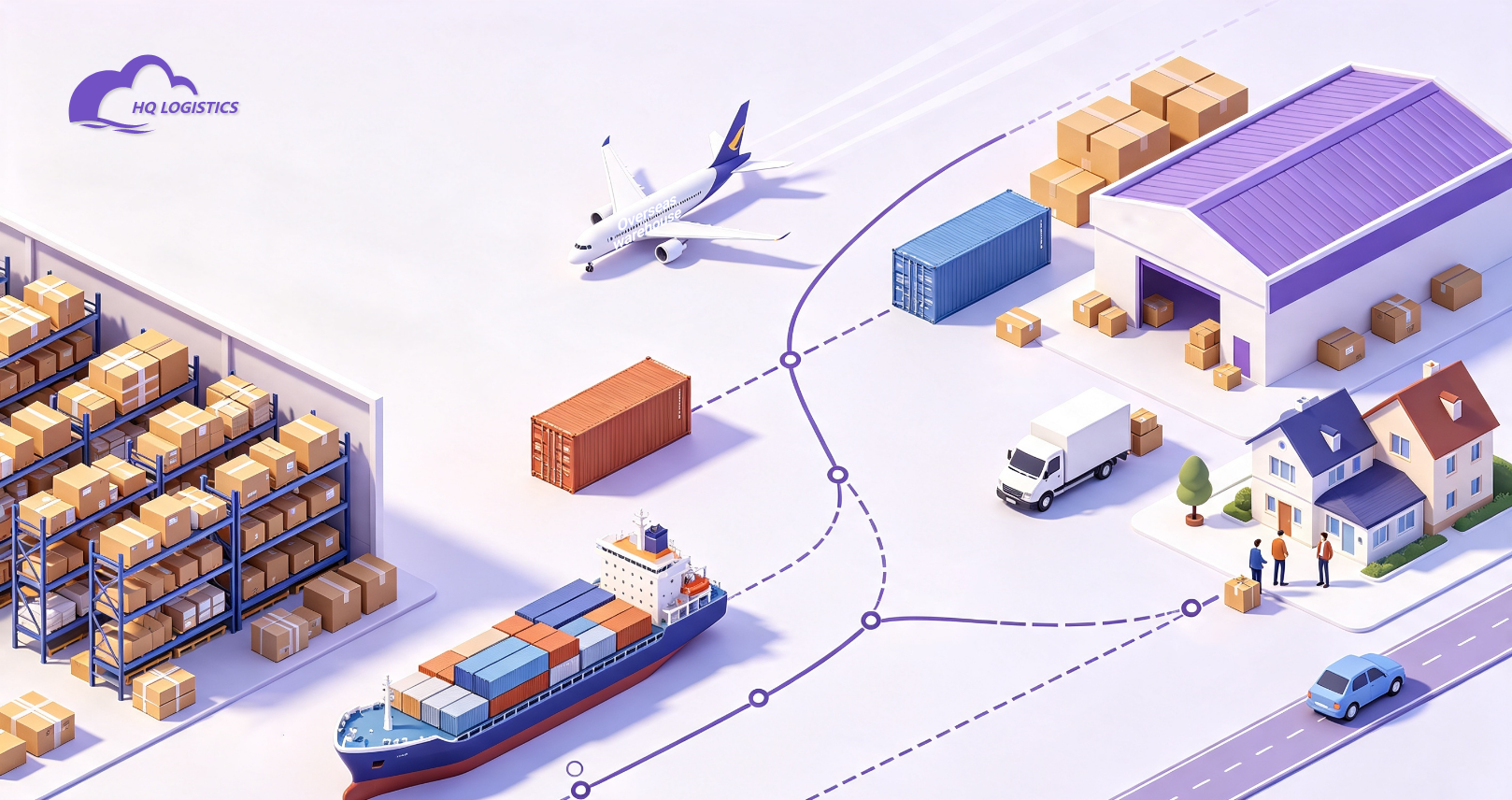
A seller with 5 orders per day may not need the same fulfillment model as a brand processing 500 orders per day.
As order volume increases, sellers should consider:
Inventory location | Warehouse capacity | Pick-and-pack speed | Shipping cost | Delivery time | Return handling | Customer service
This is where a scalable 3PL becomes increasingly valuable.
HQ LOGISTICS provides an integrated supply chain solution designed around the needs of ecommerce brands.
We support product sourcing through competitive supplier networks and factory-direct sourcing.
This helps sellers improve product margins before logistics costs are even considered.
Different products and markets require different fulfillment strategies.
We help match products with appropriate:
Warehouses | Shipping channels | Delivery methods | Packaging solutions
Stable suppliers can help reduce:
Stockouts | Production delays | Replenishment problems
For growing Shopify brands, supplier stability is an important part of fulfillment stability.
Instead of relying on one shipping route, HQ LOGISTICS can compare multiple channels based on:
Cost | Speed | Destination | Product category | Delivery requirements
This provides greater flexibility when shipping conditions change.
For eligible general products, the European express service provides an estimated delivery time of:
3–8 days
with support for shipments from 0–20 kg.
This gives Shopify sellers an option for faster European delivery without necessarily moving every SKU into a European warehouse.
Beauty products, perfume, supplements, liquids, powders, electronics, and other sensitive products may require specialized logistics solutions.
HQ LOGISTICS can help sellers identify appropriate channels based on product characteristics and destination requirements.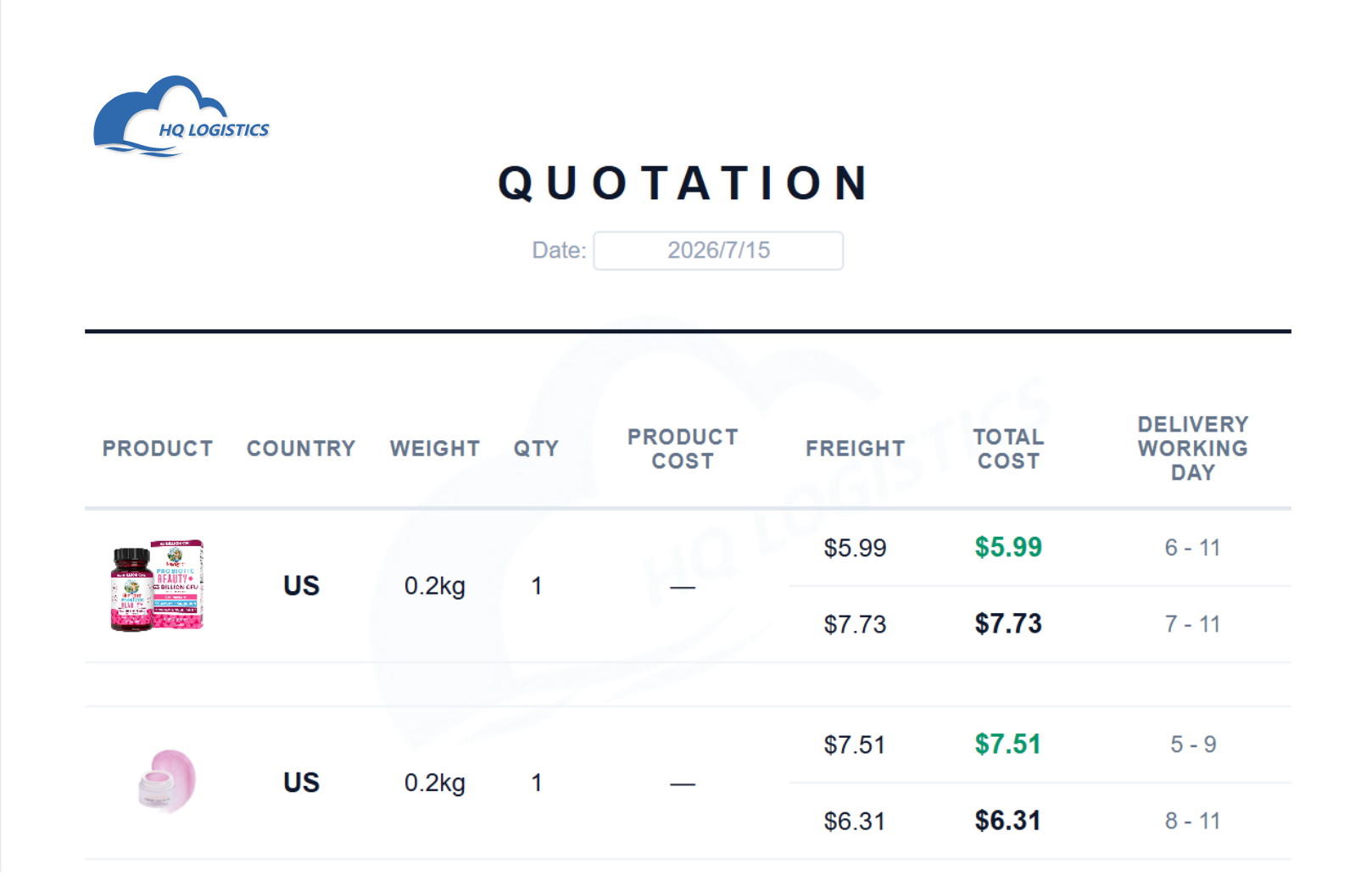
Fast delivery does not matter if the product arrives damaged or defective.
HQ LOGISTICS provides:
Sample inspection | Product quality checks | Packaging checks | Pre-shipment inspection
This helps sellers reduce quality-related complaints and returns.
Shipping costs can be difficult to understand when different providers use different calculation methods.
Clear pricing helps sellers understand:
Chargeable weight | Shipping fees | Handling costs | Reshipment fees | Other applicable charges
The goal is to make logistics costs more predictable.
Shipment tracking helps sellers monitor the order journey from dispatch to delivery.
This also helps customer service teams respond faster when delivery issues occur.
Growing ecommerce brands may need support beyond automated systems.
For qualifying customers, HQ LOGISTICS provides dedicated account management to help coordinate:
Shipping | Fulfillment | Order issues | Logistics questions | Abnormal shipments
If your store is still relying on slow or inconsistent international shipping, now is a good time to review your logistics setup.
Look at actual delivery data rather than advertised estimates.
Calculate:
Average delivery time + longest delivery time + percentage of delayed orders
Not every product needs the same fulfillment strategy.
Focus first on products generating the most revenue.
Check whether oversized packaging is increasing volumetric weight.
Determine whether your products are:
General cargo | Sensitive goods | Battery products | Liquid products | Powder products | Branded products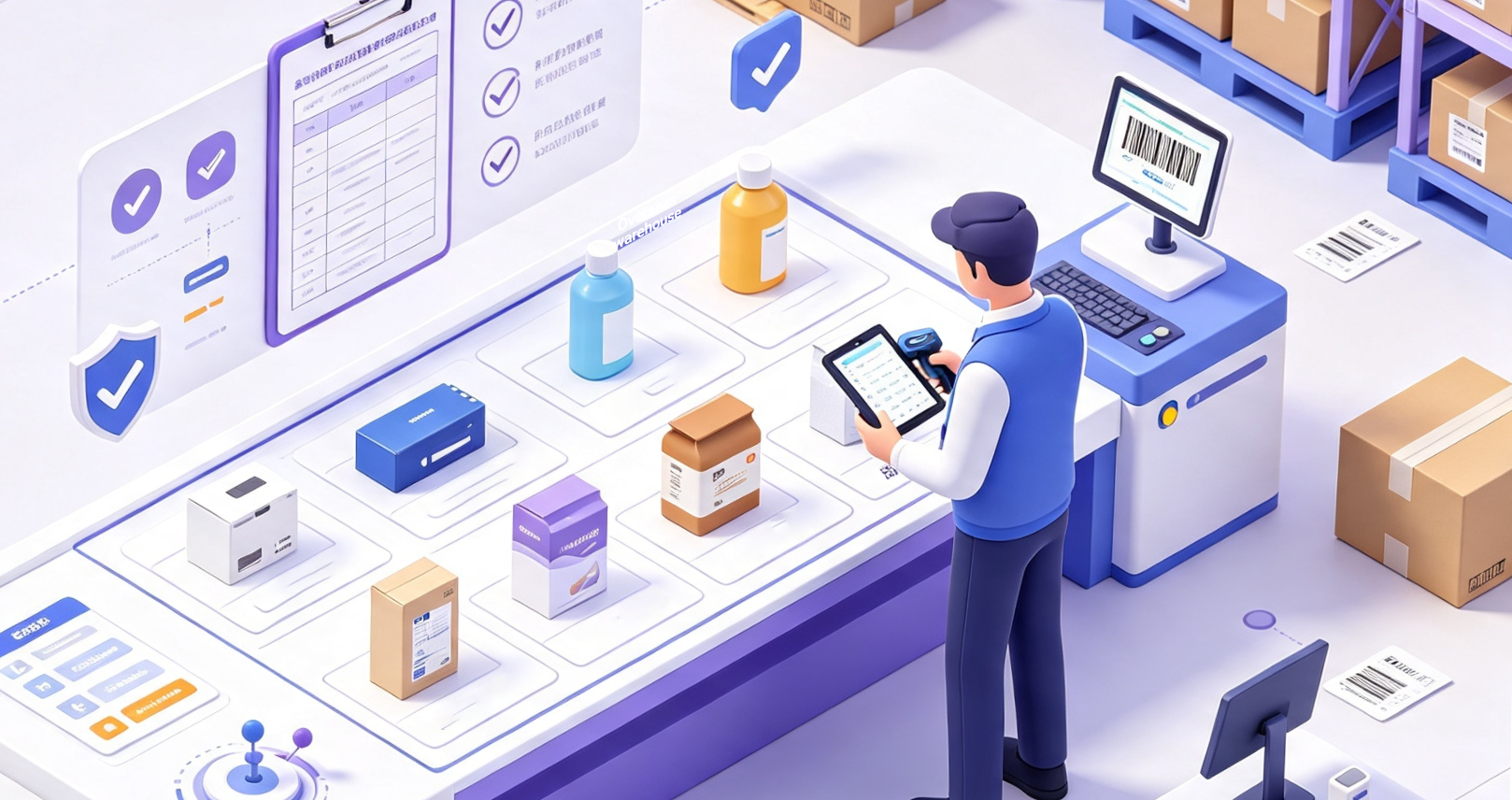
Do not compare only the headline price.
Compare:
Price + Speed + Tracking + Customs + Returns + Stability
Halloween, Black Friday, Cyber Monday, and Christmas can create major demand increases.
Secure:
Inventory | Warehouse capacity | Shipping channels | Packaging | Customer service resources
before peak season arrives.
It is important for sellers to understand the difference.
Most realistic when:
Inventory is already local | Warehouses are close to customers | Domestic carriers are used | Orders are processed quickly
Can be more suitable when:
Inventory remains in the sourcing country | The seller wants to avoid excessive overseas inventory | Product testing is still underway | Order volumes are growing | The seller wants faster international delivery without fully transitioning to local warehousing
Neither model is universally better.
The right choice depends on:
Order volume + product type + destination + inventory strategy + margins
Not necessarily.
It is increasingly important as a competitive benchmark, but Shopify sellers should prioritize realistic and reliable delivery promises.
A stable 3–8 day international service can be more useful than an unreliable faster option.
Start with accurate product information, reliable fulfillment, appropriate shipping channels, optimized packaging, and accurate customer addresses.
Volumetric weight estimates the amount of transportation space a parcel occupies. When it exceeds actual weight, it can become the chargeable weight.
Many ordinary products such as clothing, hats, scarves, bedding, home decorations, and toys without batteries can be suitable for general cargo channels, subject to channel approval.
Not necessarily.
Liquids, powders, supplements, cosmetics, batteries, magnets, and other sensitive products may require specialized shipping channels.
Depending on the destination and channel, the parcel may be returned to an overseas warehouse and may qualify for reshipment within a specified period.
Tracking gives both sellers and customers visibility into the delivery process and helps customer service teams identify abnormal shipments.
It depends on order volume and product demand.
Fast-moving SKUs may benefit from local inventory, while new or low-volume products may be more economical to ship directly.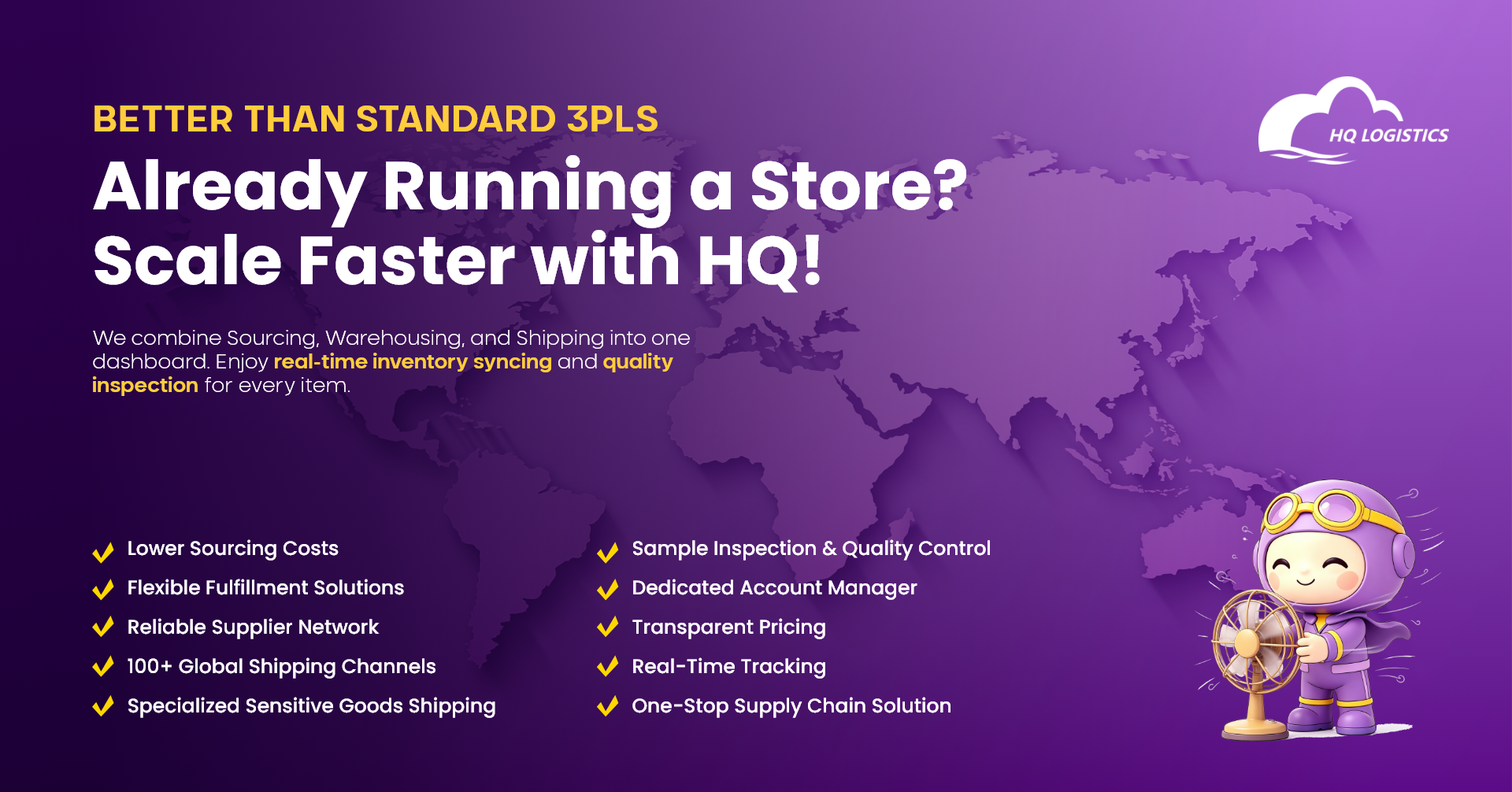
The ecommerce delivery landscape is moving toward faster and more predictable fulfillment.
While 2–3 day delivery is becoming an important benchmark for ecommerce, international Shopify sellers do not necessarily need to place every product in a local warehouse immediately.
The more important goal is to build a fulfillment system that balances:
Speed + Cost + Stability + Tracking + Customs Compliance
For eligible general products, a 3–8 day European express shipping option can provide Shopify sellers with a practical way to improve delivery performance while maintaining flexibility in inventory management.
As Q4 approaches, this becomes even more important.
Black Friday, Cyber Monday, Christmas, and other seasonal campaigns can quickly increase order volumes and put pressure on warehouse and shipping capacity.
The sellers that prepare early will have more options.
The sellers that wait until orders surge may have to choose between higher shipping costs, slower delivery, or missed sales.
For Shopify brands, fast delivery is no longer simply a logistics advantage.
It is becoming part of the customer experience—and ultimately, part of the brand.
HQ LOGISTICS supports Shopify and independent ecommerce brands with product sourcing, sample inspection, quality control, warehousing, fulfillment, specialized shipping, and global logistics solutions.
With 100+ global shipping channels and dedicated support, sellers can build a fulfillment strategy based on product type, destination, cost, and delivery requirements.
Ship faster. Control costs. Build a more reliable ecommerce operation.
📩Email: zoye@fulfllment-cn.com
PREVIOUS RECOMMENDATIONS
 Why Smart Shopify Brands Start Q4 Inventory Planning in August
2-3 day delivery ecommerce / fast Shopify shipping / Shopify fulfillment Europe / European fulfillment / Shopify 3PL Europe / ecommerce delivery standards / fast delivery for Shopify stores / European express shipping / 3PL fulfillment Europe / Shopify shipping Europe / cross-border ecommerce logistics / European shipping 3-8 days / Shopify fulfillment partner / ecommerce shipping costs / volumetric weight shipping / Shopify inventory management / European ecommerce fulfillment / fast ecommerce delivery / Q4 fulfillment / Black Friday fulfillment




Customer's favorable comments is our eternal motivation. We feel grateful for all the support and company.

Lorem ipsum dolor sit amet, consetetur sadipscing elitr, sed diam nonumy eirmod tempor invidunt ut labore et dolore magna aliquyam erat, sed diam voluptua.